The Diner Check Said 7.89, So Obviously I Played: Apophenia and the American Gambler
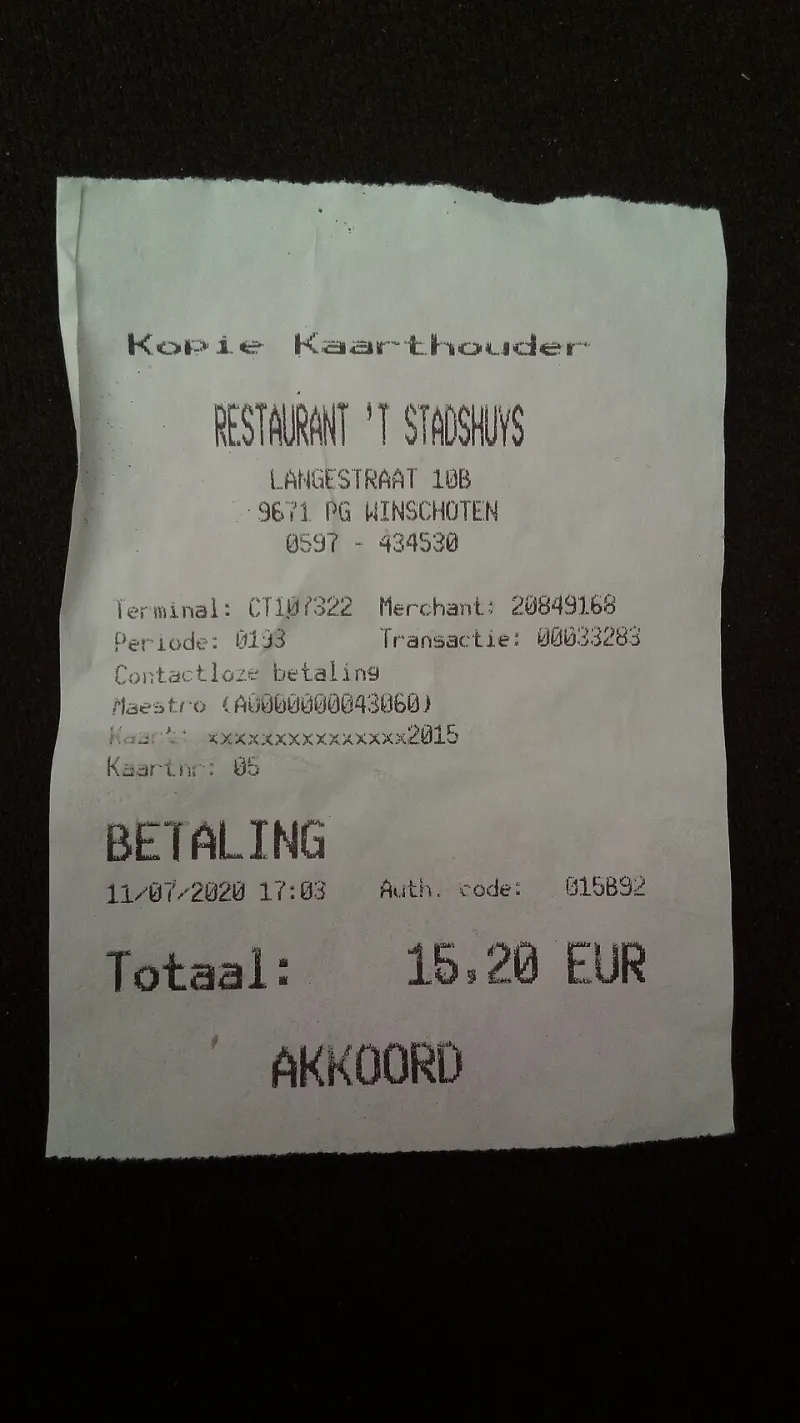
Photo: Donald Trung Quoc Don (Chữ Hán: 徵國單) - Wikimedia Commons - © CC BY-SA 4.0 International.(Want to use this image?)Original publication 📤: --Donald Trung 『徵國單』 (No Fake News 💬) (WikiProject Numismatics 💴) (Articles 📚) 20:40, 20 September 2020 (UTC),
The check came to $7.89 at a truck stop diner outside Reno, and the woman in the next booth actually laughed out loud. Not at the price—at what it meant. She'd been on the fence about trying her luck that evening, and there it was: seven, eight, nine, served up with the meatloaf special.
She played that night. She won a little. And she's convinced the check had something to do with it.
If you've spent any time around casino apps—or this site—you already know the sequence. 7-8-9 is the jackpot of everyday coincidences, the numeric equivalent of finding a four-leaf clover in your parking spot. But why does a random total on a receipt feel like a message? The answer is a cognitive quirk called apophenia, and it's running quietly in the background of every gambler's brain.
Your Brain on Patterns
Apophenia is the human tendency to perceive meaningful connections in random data. It's the same wiring that sees faces in electrical outlets and constellations in scattered stars. It's not a flaw, exactly—it's a feature that generally serves us well. The ancestor who assumed the rustling in the grass was just wind got eaten. The one who assumed it was a predator lived to pass on suspicious genes.
Numbers, though, are where the quirk gets weird. A sequence like 7-8-9 is neither more nor less likely than 4-2-7 on a random receipt, but it feels loaded because it's ordered, it's ascending, and it lands on the digits our culture already treats as sacred. Seven is the big casino number. Eight is the money digit in Chinese numerology—turn it sideways and you've got the infinity symbol. Nine caps it off. Put them in a row and your pattern-detector lights up like a slot machine.
Psychologists sometimes call the number-specific version numerology bias, and casinos have understood it forever. It's why the high-roller rooms skip the fourth floor in some markets, why table seven always seems to have a crowd, and why "lucky" seat requests are a thing pit bosses pretend to honor.
License Plates, Mileage, and the 11:11 Crowd
Spend an evening with mobile players and the stories stack up fast.
There's Daryl, a forklift operator in Ohio, who won't deposit unless his odometer ends in 7, 8, or 9 when he parks. There's a nurse in Atlanta who swears the 789 vanity plate she sees on her commute is "her sign," and who schedules her app sessions for 7:89—okay, 8:09, but she rounds down in spirit. And there's the whole ecosystem of 11:11-style wishers, people who screenshot every total, timestamp, and room number that happens to contain the trio.
Is any of it predictive? No. Is any of it harmful? Usually not. Superstition at this level is mostly a permission structure—a way of saying "the universe says it's okay to have fun tonight." Anthropologists who study gambling rituals note that lucky behaviors tend to cluster around entry points: when to play, where to sit, which app to open. They're gatekeeping rituals, not winning strategies. Nobody's lucky number changes the return-to-player percentage.
Where the Fun Stops Being Fun
Here's the gentle reality-check part, because we'd be doing you dirty if we skipped it.
Apophenia gets expensive when it stops being a gate and starts being a green light for everything. The slippery slope looks like this: first you play when you see 789. Then you play more when you see it twice in a day. Then a losing session "must have been because I ignored the sign," so you deposit again to make it right. Now the coincidence isn't a bit of fun—it's a justification loop, and justification loops are how bankrolls die.
A few rules of thumb we've picked up from players who keep their numerology healthy:
- The sign gets you to the table, never deeper into it. Lucky numbers decide whether, never how much.
- Set your number before you look for it. If every number counts as a sign, no number does.
- Wins don't validate the pattern. You'd have hit the same RTP on a 4-2-7 night, and somewhere out there, someone did.
Keep the Ritual, Lose the Religion
Look—nobody at this site is going to tell you to ditch the 789 stuff. It's literally the name on the door. Spotting the trio on a diner check is one of the small, free pleasures of being a person with a brain that loves patterns. Knock yourself out. Screenshot the receipt. Text it to your group chat.
Just hold the line between ritual and reason. The sequence on your lunch total is a coincidence dressed in a lucky outfit. The real luck in gambling is boring: playing legally, playing within a budget, and knowing when the meatloaf is the only thing the check is actually telling you.