Clock In, Cash Out: The Players Who Run Their Casino Apps Like a Night Shift

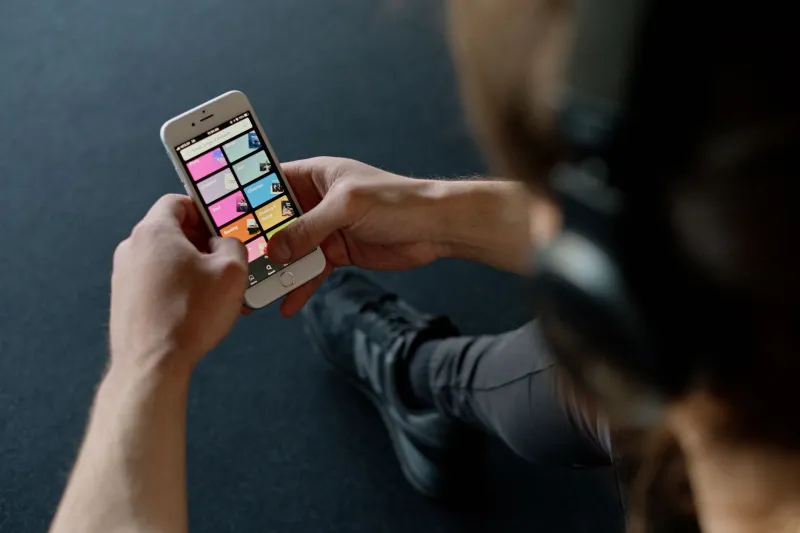
Photo: Wilfredor, CC0, via Wikimedia Commons
There's a type of mobile casino player you'll never see posting big win screenshots at 2 a.m. They're not scrolling slots during a boring meeting or firing off spins while waiting on a burrito bowl. They show up, they play their session, and they log off — like they've got a punch card nobody can see.
Call it the night-shift mentality. And in the casual casino era, where every app is engineered to blur the line between entertainment and endless scrolling, this crowd might be onto something.
The Shift Starts Before the App Opens
Ask these players about their routine and you'll hear things that sound less like gambling and more like a warehouse job. One player we'll call Marcus — a hospital scheduler in Ohio — described his setup like this: phone on Do Not Disturb, notifications from every app except the casino silenced, a glass of water on the desk, and a timer set for exactly 45 minutes.
"If I'm gonna lose money, I'd rather lose it on purpose than by accident," he told us. "The timer's not about the money. It's about the person I become at minute 90."
That last part is the real insight. Discipline isn't really about bankrolls. It's about recognizing that the version of you two hours into a session is not the version of you who sat down.
The Gambler Profile: A Phone Within a Phone
The most dedicated players go a step further — they build a wall between their normal digital life and their casino life. On Android, that means a separate user profile loaded with nothing but gaming apps. On iPhones, players use Screen Time limits, Focus modes, and a dedicated home screen page where the casino apps live alone, quarantined from email, group chats, and the doom-scrolling feed.
The logic is simple: every tap toward a casino app that passes through your regular phone is a chance to get sidetracked, check a text, see a work email, and come back tilted. Clean entry, clean exit.
Some players even keep a dedicated "session email" for casino sign-ups and bonus codes, so the promotional firehose never touches their main inbox. It sounds paranoid until you realize these apps send more push notifications per week than your actual family.
Boundaries Beat Bankroll Math
Here's the part that surprises people: the disciplined crowd isn't necessarily playing with more money. Many are playing with less — $20, $30 a session, sometimes the classic $7.89 starting stack. What they've done is move all their willpower decisions to the beginning of the session, when their judgment is fresh, instead of the middle, when it isn't.
Deposit limits set in advance. Session timers set in advance. Loss limits locked in the app's responsible gaming settings, where overriding them requires a cooling-off period. It's the same principle as meal prepping on Sunday so you don't order pizza on Wednesday. Future You is more responsible than Present You. Trust Future You.
Winners and Bleeders: The Only Real Difference
Nobody at 789BK Lucky Play is going to tell you a notification blocker makes you a winning player — the house edge doesn't care about your Focus mode. But there's a real difference between players whose sessions end when they decide, and players whose sessions end when the money does.
The bleeders aren't dumb. They're just making every decision in the worst possible moment — frustrated, chasing, thumb already moving. The night-shift crowd made all their decisions at clock-in, when the stakes were imaginary and the head was clear.
Your Shift, Your Rules
If you want to steal the routine, it's brutally simple:
- Pick your shift length before you start. 30 or 45 minutes works for most people.
- Silence everything else. Do Not Disturb isn't a suggestion; it's the uniform.
- Set the loss limit in the app, not in your head. Heads lie at minute 60.
- Log off on time even when you're up. Especially when you're up.
The hot streak is a story people tell. The routine is the thing that actually holds up. Clock in, play your shift, cash out, go live your life. The app will still be there tomorrow — that's exactly the problem, and exactly why the doctrine works.